
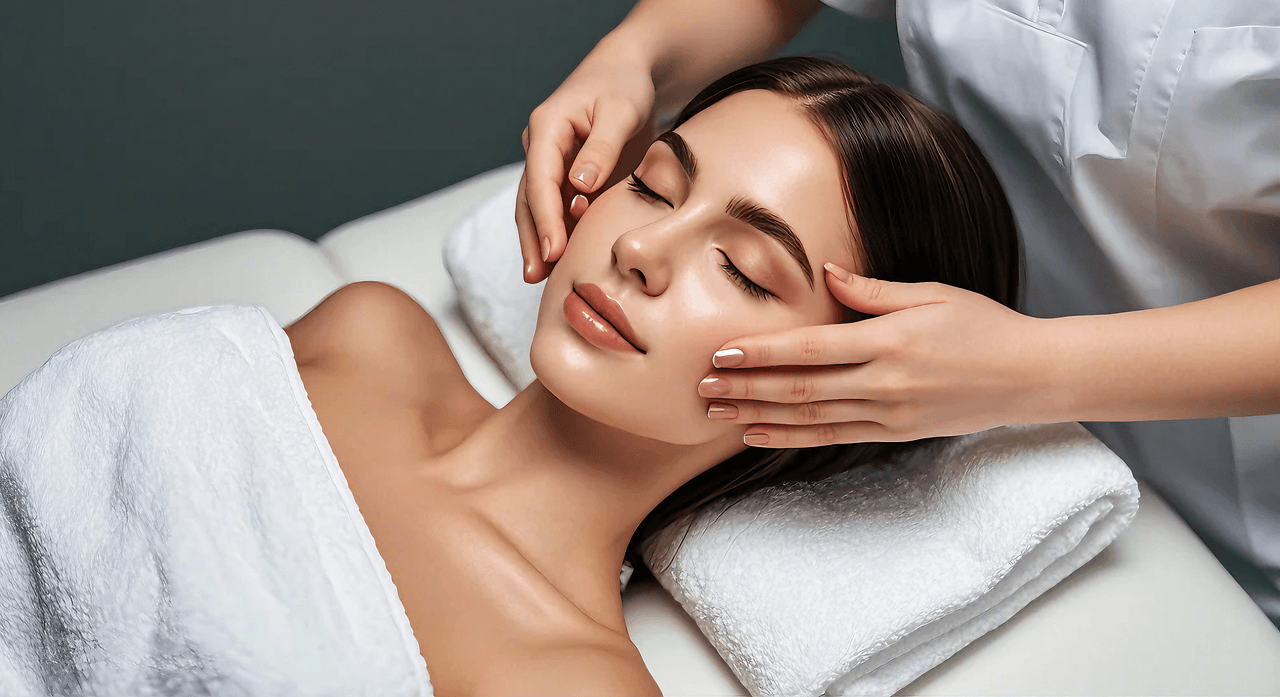

Facial rejuvenation is one of the most effective cosmetic treatments to help you appear more youthful and energetic. Treatments under this category can improve skin texture and reduce visible signs of aging. When performed by a trained dermatologist, the results appear natural and last for a long time.
Facial skin is fairly delicate and can react to the environment easily. Things like exposure to pollution, excessive sunlight, and even a bad diet or stress can make you look older. Genetic factors can also play a role as some people appear youthful even if they don’t invest in a healthier lifestyle.
There’s no common solution for all. Facial rejuvenation treatments can vary from one patient to another. At Don Bella MedSpa, we believe in the efficacy of custom treatments after an in-depth consultation.
Types of Facial Rejuvenation Treatments
Facial rejuvenation or skin resurfacing treatments come in different forms. We believe patients must know their options and understand which is the best choice. Some of the most popular facial rejuvenation treatments include:
1. Chemical Peels
This is, perhaps, the most well-known and effective skin resurfacing treatment available today. A chemical peel is when you use chemical solutions like trichloroacetic or glycolic acid. The solution will peel off the uppermost layer of your skin, consisting mostly of old and dead skin cells.
Depending on the intensity of the peel, the treatment will help remove wrinkles, acne spots, sun spots, and age spots. There are three different kinds of peels available today:
- Light Chemical Peel: This is very beginner-friendly and relatively gentle on the skin. It only removes the topmost layer and can act as a deep exfoliant. You may need to undergo this treatment every 2-5 weeks to maintain results.
- Medium Chemical Peel: Medium peel is slightly stronger and penetrates deeper into the skin. It is suitable for most serious acne scarring and texture problems. It affects the upper layer of the dermis instead of just the epidermis like light chemical peels do. You may need more treatments to maintain the results.
- Deep Chemical Peel: This is the most invasive of all chemical peels as it penetrates deep into the dermis. It is suitable for deep acne scars, wrinkles, and even precancerous growths. A deep chemical peel is harsher and can have more side-effects but they are generally a one-time procedure.
Remember, all chemical peels have the potential to cause adverse reactions, irritation, and redness. That’s one of the reasons why you should get this treatment under the supervision of a board-certified dermatologist or cosmetologist.
2. Dermabrasion
Dermabrasion is a treatment that uses your skin’s natural healing ability to its advantage. It involves a rotating device that uses abrasion to remove the topmost layer of your skin. That removes all surface scares, mild lines and wrinkles, and some texture.
Dermabrasion also helps stimulate new collagen growth, which means the skin starts healing quickly and you get a new layer of healthy skin. The treatment is fairly effective against everything from age spots to sun damage. Like chemical peels, there are different kinds of dermabrasion treatments. These include:
- Crystal Microdermabrasion: During this treatment, we use tiny crystals to gently exfoliate the top layer of the skin. Once your skin heals, you can see a visible difference in fine lines, sun damage, and uneven skin tone. Crustal microdermabrasion is the gentlest form of dermabrasion and doesn’t require much healing or downtime.
- Diamond Microdermabrasion: We use a diamond-tipped wand to create microscopic abrasions in the deeper layers of the skin. This treatment is suitable if you have deep acne scars, wrinkles, pigmentation, and texture. The treatment reaches deeper levels of your skin, which is why it requires a longer recovery time.
Surgical microdermabrasion is also available for people with more serious skin concerns and deeper scars. This treatment involves removing a layer of skin with the help of a scalpel and must be done under the supervision of a certified professional.
3. Laser Resurfacing
Laser technology is very popular in cosmetology and has a great track record. Laser resurfacing primarily involves two different approaches and we recommend one of the two based on your skin’s condition and concerns.
- Ablative Lasers: Ablative lasers include carbon dioxide (CO2) or Erbium lasers. CO2 lasers are suitable for deeper scars, wrinkles, and even warts. Erbium lasers are more suitable for fine lines and wrinkles. Both laser treatments resurface your skin and remove the topmost layer.
- Non-Ablative Lasers: These laser treatments are more targeted and don’t remove the topmost layer of the skin. They typically involve pulsed light, pulsed-dye lasers, and fractional lasers, which are suitable for conditions like spider veins, rosacea, and deep acne scars.
While laser treatments are effective, they aren’t always the most ideal solutions. We only recommend laser to patients who will truly benefit from it.
4. Microneedling
Microneedling also takes advantage of the skin’s ability to heal by stimulating new collagen growth. During this treatment, tiny needles pierce the surface of your skin and encourage regeneration. Like all other options we have mentioned on this list, microneedling treatments can also vary in intensity. Some of the most common microneedling treatments include:
- Superficial Microneedling: This treatment uses lower-powered needles to create smaller holes in the skin. It is ideal for improving skin texture, reducing fine lines and wrinkles, and minimizing pores. Superficial microneedling is also less painful and a good option for beginners.
- Deep Microneedling: Deep microneedling uses larger needles to create deeper wounds in the skin. As a consequence, it is a little more painful and can take more time to heal. This type of microneedling is suitable for treating acne scars, hyperpigmentation, sun damage, and other signs of aging.
The more advanced forms of microneedling include radiofrequency (RF) microneedling and platelet-rich plasma (PRP) microneedling. Both treatment options are effective but more expensive. They also may not be suitable for all patients.
Some experts also consider botox as a facial rejuvenation treatment. This treatment involves injections of botulinum toxin. The toxin temporarily paralyzes the muscles that cause facial expressions. They can smooth out wrinkles around the eyes and mouth.
What Is The Best Facial Rejuvenation Treatment?
There’s no single treatment that works for everyone. The best facial rejuvenation treatment is the one your dermatologist recommends after a comprehensive analysis of your skin and skin concerns.
For example, light chemical peels may be your best solution if you have light spots and fine times. Deep microneedling may end up being the best solution if you have heavy hyperpigmentation.
We recommend dropping by for an appointment to find the best facial rejuvenation treatment for you.
Does Facial Rejuvenation Work?
Yes! Facial rejuvenation treatments do work and can be very effective if you get the right treatment from the right professional. There are a few factors to consider:
- Most treatments need time to show the results. You may need to wait a few days or weeks to see any visible results.
- The treatments aren’t infallible. They’ll not fix everything and make you look flawless. Things like loss in facial volume, dropping eyelids, sagging skin, etc, can’t be fixed by the treatments we have mentioned here.
- You may need multiple treatments before you see any marked difference in your facial features and skin texture. You may also need to take care of your skin and follow your dermatologist’s advice carefully to maintain those results.
How Long Does Facial Rejuvenation Last?
That depends on several factors! Our clients start seeing results around three weeks after the procedure and most feel good about the results for around six months. However, the results depend on:
- The type of treatment
- The quality of care after each session
- The lifestyle habits after each session
- The natural aging process
The results may last longer if you follow your expert’s advice to the letter and take good care of your skin after the procedure. You may also need to attend a few follow-up appointments to get the best long-term results.
How Much Does Facial Rejuvenation Cost?
The cost depends on the type of treatment, your skin condition, and the severity of the problem. We can’t provide a very accurate estimate but can tell you the average cost of these treatments:
- Microneedling can cost anywhere between $100 to $800.
- Dermabrasion can cost anywhere between $100 to $4,000.
- Chemical peels can range between $400 to $3,500.
- Laser resurfacing can cost anywhere between $2,000 to $8,000.
If you want the most accurate cost analysis, don’t hesitate to reach out to Donna Bella MedSpa. We will assess your skin condition and provide an accurate estimate. Feel free to reach out to us if you have any questions regarding facial resurfacing treatments.
Related post: Difference Between Melasma and Hyperpigmentation